
When Forbes recognised Zimbabwe as one of the world’s leading travel destinations in 2025, it wasn’t simply acknowledging the country’s remarkable wildlife or one of the Seven Natural Wonders of the World, Victoria Falls.
It was recognising a destination that has been offering exactly what travelers are now searching for.
According to KAYAK’s What the Future Report, travel trends over the next five years will become less about ticking destinations off a list and more about finding meaningful places, traveling mindfully and returning home feeling genuinely refreshed. In fact, 69% of Gen Z and 66% of Millennials say they actively want to visit places they’ve never been before; travelers are moving away from crowded hotspots towards authentic experiences, slower journeys and destinations that still feel undiscovered.
For Zimbabwe, those trends aren’t new.
1. Hidden Gems Are Replacing Viral Destinations
One of the biggest shifts in travel is a move away from destinations that have become victims of their own digital popularity. Travelers are looking beyond places that dominate social media in search of experiences that still feel personal. KAYAK found that more than one in five travellers are actively searching for destinations that sit well outside their social media feeds, while posts using #HiddenGems increased by more than 50%.
Ironically, many of those once-hidden places are no longer hidden at all. You arrive hoping to discover a secret beach or viewpoint you saw online, only to find dozens of people recreating the very same photo or video they’ve already seen on their feeds.
Zimbabwe offers something different.
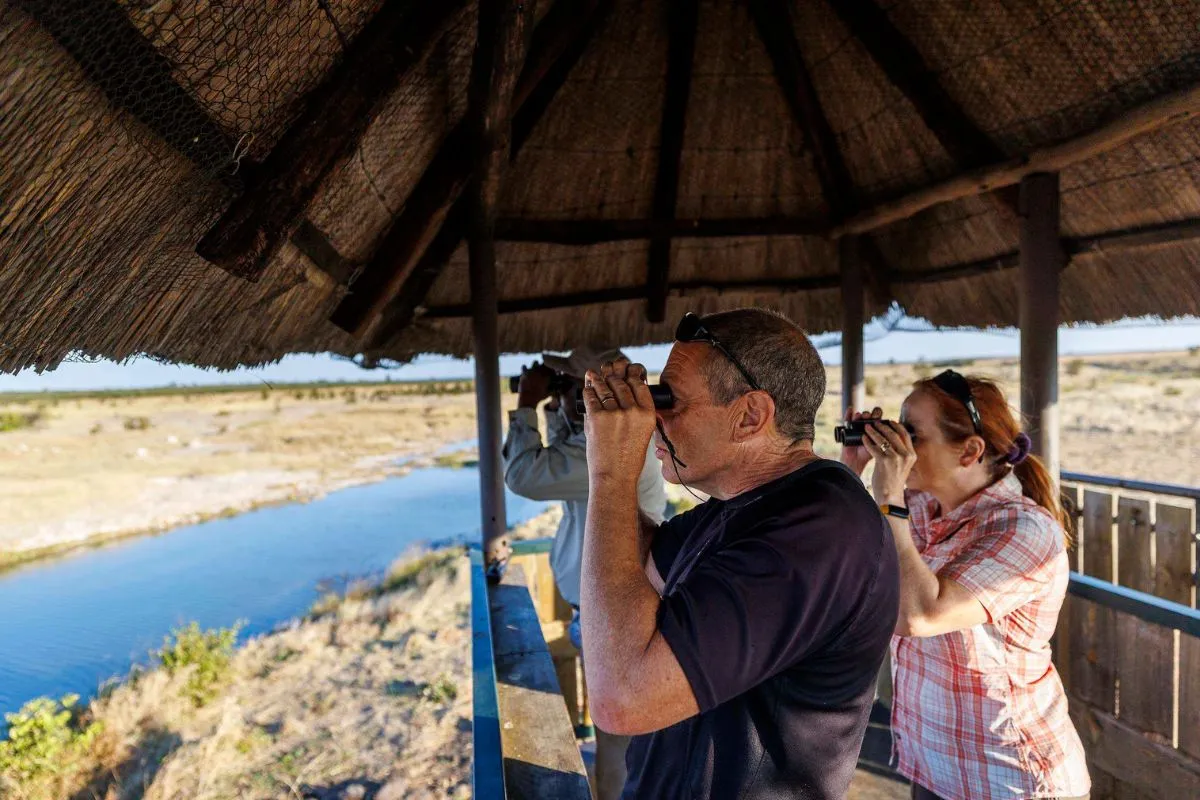
Yes, Victoria Falls remains one of Africa’s most iconic attractions, but beyond the falls lies a country filled with remarkable landscapes, deep history and, of course, exceptional wildlife. In northern Hwange National Park and Mana Pools, wildlife encounters often unfold without having to queue. Lift your camera and, more often than not, the only thing in the frame is the wildlife you’ve come to see.
Across Hideaways Africa’s collection, that philosophy continues. Hideaways Nantwich Lodge, Hideaways Bumbusi Wilderness Camp and Hideaways Mhara River Camp all offer access to private concessions, where guest numbers are carefully managed and every safari feels unhurried. Instead of rushing from one sighting to the next, guides have the freedom to let each moment unfold at a personalised pace.
2. Nature Is Becoming The Ultimate Luxury
KAYAK describes this trend as “Gasp-aways” – journeys built around moments that quite literally leave you speechless. 63% of travelers say natural wonders will guide their travel plans in 2026, while 41% say awe-inspiring experiences are now one of their biggest travel priorities. Fortunately, those are two things Zimbabwe has never struggled to deliver.
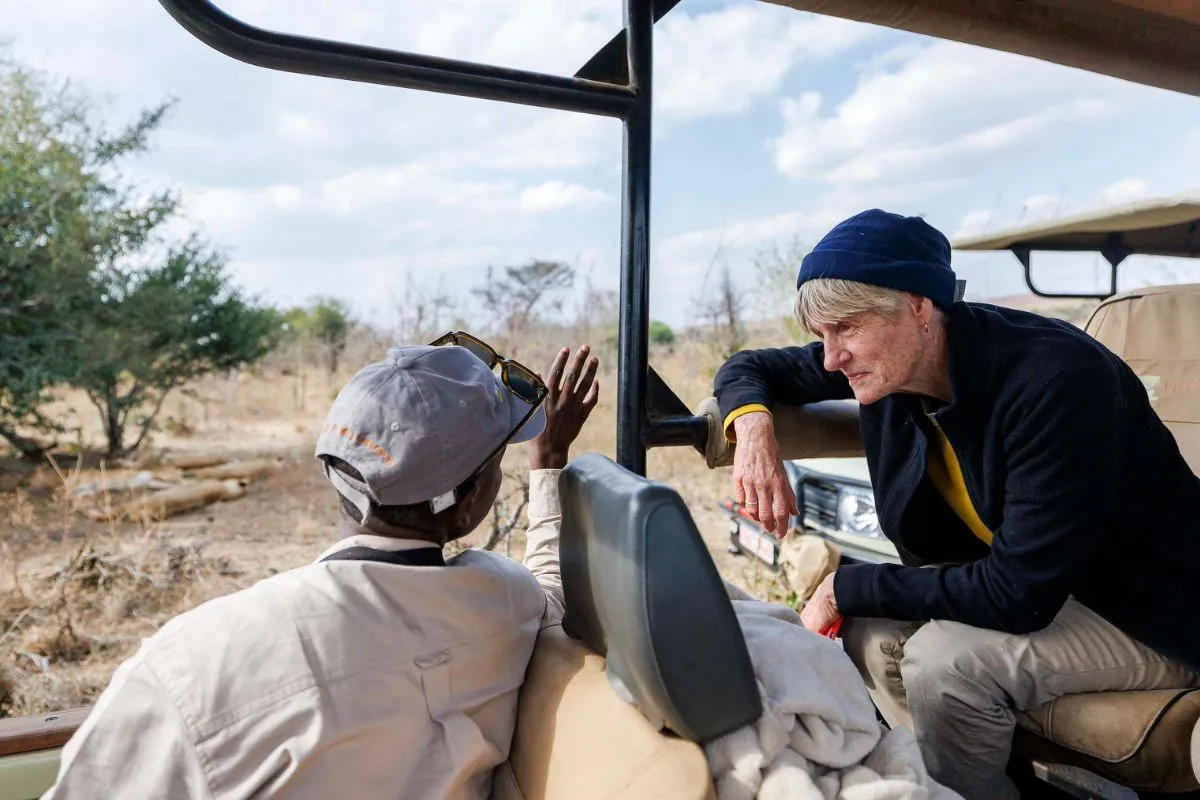
Feeling the spray from Victoria Falls long before you see it. Standing quietly as an elephant wanders past only metres away. Noticing fresh leopard tracks outside your chalet before sunrise. Watching painted dogs return to their den with their pups. Or ending the day on a rocky outcrop as the last light disappears over Hwange.
But sometimes, those moments aren’t dramatic at all.
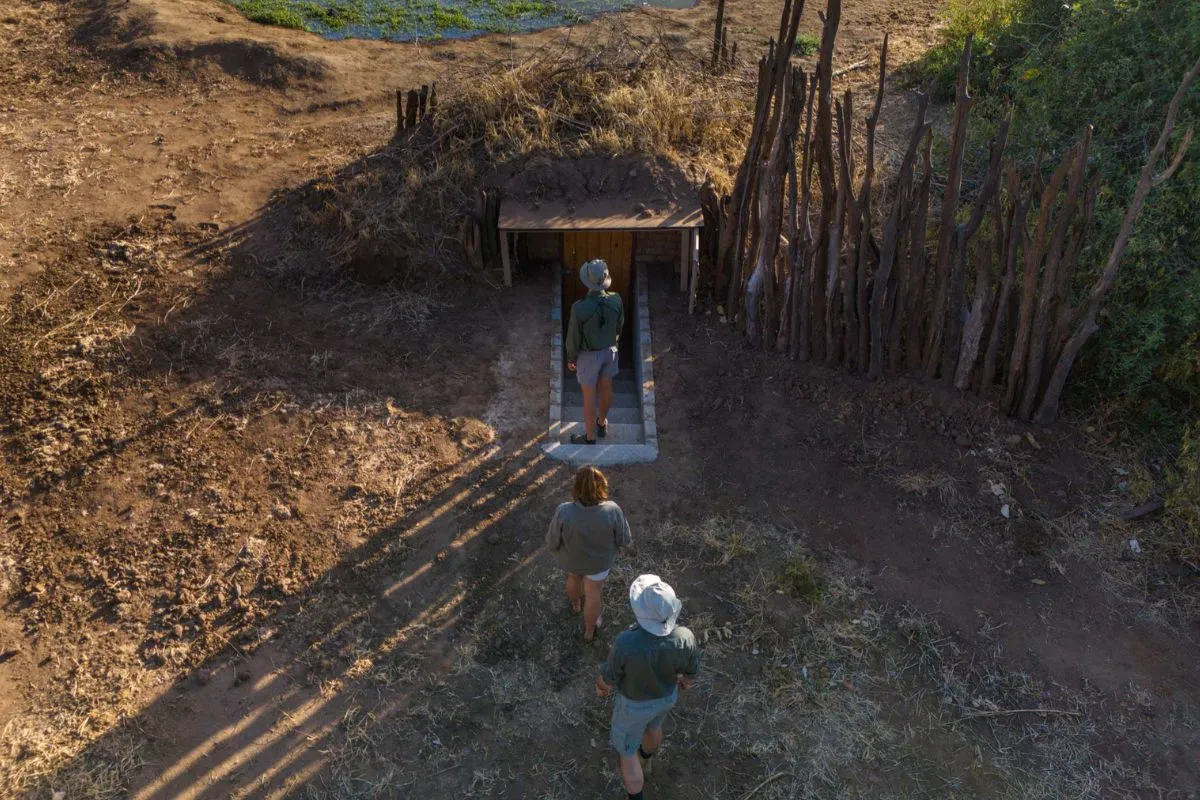
They’re found in sharing a homemade muffin after a morning walk through the bush. Listening to lions calling in the distance as dinner is served. Spending hours in a safari hide in Mana Pools, watching and waiting for that once-in-a-lifetime bird like the African Pitta. Sitting around the campfire as stories from the day are shared long into the evening.
These are the moments that can’t be staged. They can’t be planned, filtered or recreated for social media. They just happen.

3. Slower Travel Creates Better Safaris
Another of the biggest travel shifts is the desire to slow down.
It’s no surprise then that 66% of travelers say relaxation and mental reset are now their biggest reasons for travelling, while 55% believe traveling at a slower pace helps them clear their minds.
Rather than squeezing as much as possible into every day, travelers are increasingly choosing fewer experiences, more time in nature and opportunities to properly disconnect. Private Concessions have embraced this philosophy for decades.
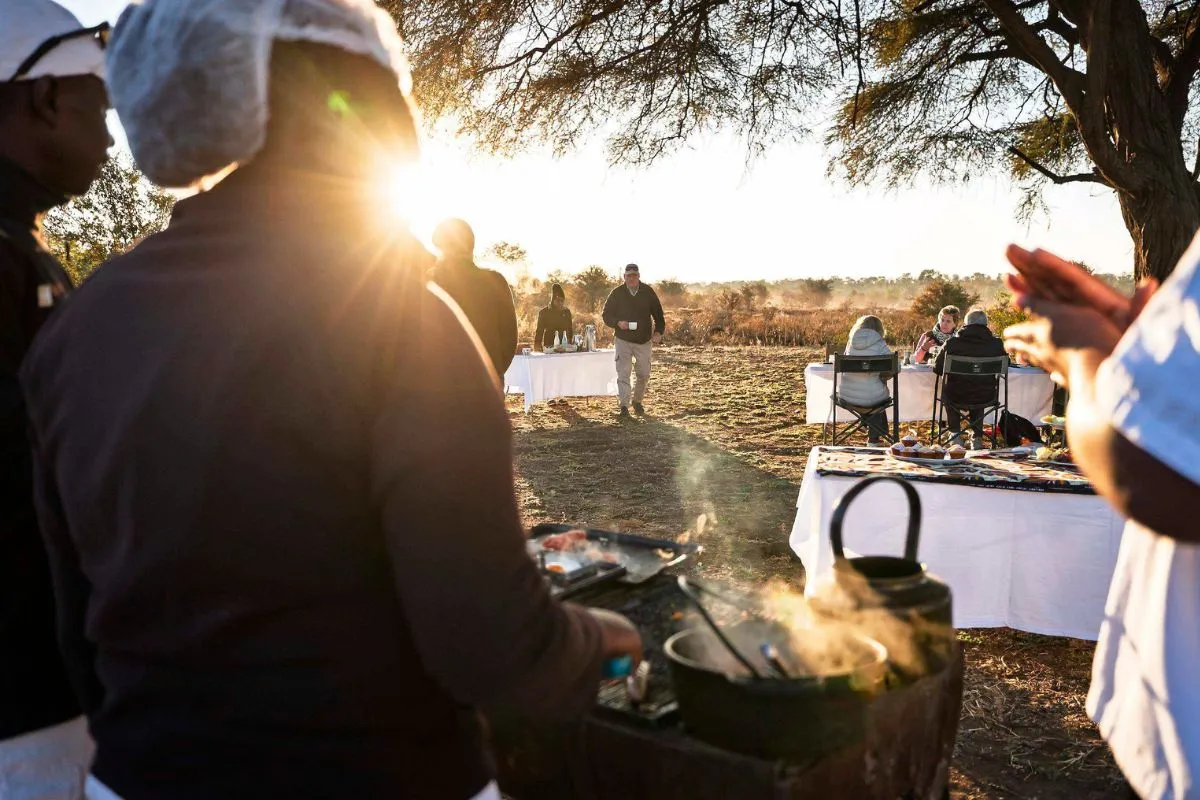
At Hideaways Nantwich Lodge, a morning game drive might be followed by a leisurely bush brunch beneath an ancient acacia tree. Afternoons can be spent enjoying a massage at the lodge, watching wildlife from the safari hide, or simply sitting back as the resident hippos make their afternoon appearance.
The same can be said for Hideaways Bumbusi Wilderness Camp and Hideaways Mhara River Camp, where walking safaris, time around the camp and long conversations beneath the stars become just as memorable as the wildlife itself.
Many people arrive in Zimbabwe expecting a fast-paced itinerary. Instead, they discover something far more valuable. That the most memorable safaris often happen when you slow down, stop frantically searching for wildlife and allow it to come to you.
4. Wellness Goes On Safari
The report also highlights the rise of “Wellth Trips”, where travelers prioritise mental wellbeing, nature and meaningful experiences over traditional ideas of luxury. Wellness is increasingly measured by how a destination makes people feel rather than what it offers.
There are few places where wellness comes as naturally as it does in the African bush. Is seeing a member of the Big Five thrilling? Absolutely. Is it peaceful? Somehow, yes. Perhaps even more so.
A destination where you’re encouraged to walk through the bush with an experienced guide, cool off in an eco-pool after a warm afternoon, enjoy fresh home-cooked meals and spend your evenings beneath one of the clearest night skies in Africa.
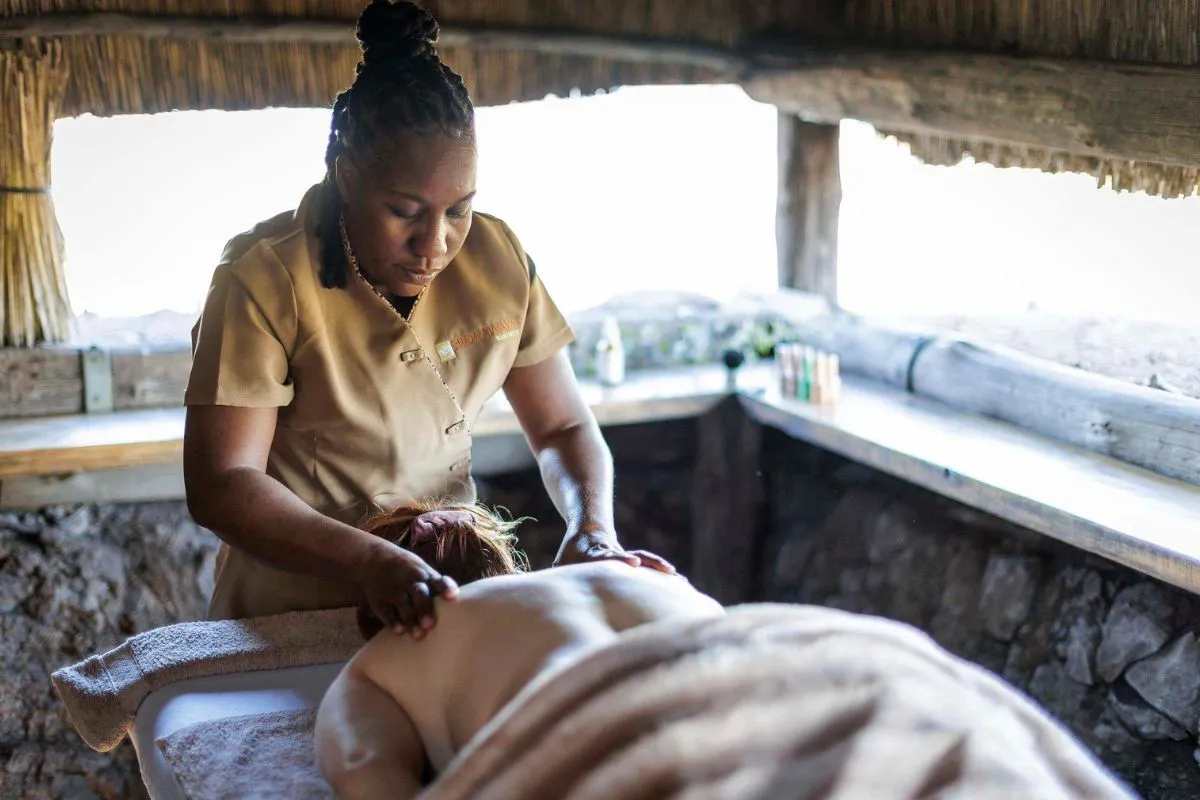
Thoughtful additions, such as spa treatments at Hideaways Nantwich Lodge, complement that experience, allowing guests to unwind between game drives without losing their connection to the surrounding wilderness.
5. One Holiday, Multiple Destinations
This trend, which KAYAK calls “City Jumping”, is growing rapidly as travelers choose to experience more than one destination in a single holiday. Zimbabwe is perfectly positioned for this style of travel as few destinations allow travelers to experience waterfalls, big game safaris, walking safaris and two countries within a single itinerary as effortlessly as Zimbabwe does.
Victoria Falls serves as a gateway to a wider southern African adventure. Within a single itinerary, travelers can combine Hwange National Park with Victoria Falls, Mana Pools National Park, or Botswana’s Chobe National Park
Hideaways Camp Kuzuma sits just across the Pandamatenga border, making it remarkably easy to combine Botswana and Zimbabwe in one seamless safari.
Packages such as the Victoria Falls Golden Safari bring these destinations together into one carefully designed journey, allowing travelers to experience different landscapes, wildlife and cultures without complicated logistics.
6. AI May Change Planning. Not The Experience.
Artificial intelligence is rapidly transforming how people research and book travel. In fact, 41% of travellers now trust AI travel recommendations, while nearly six in ten say they would even change their destination if AI suggested somewhere better.
But there is one thing AI will never replace.
Human experience.
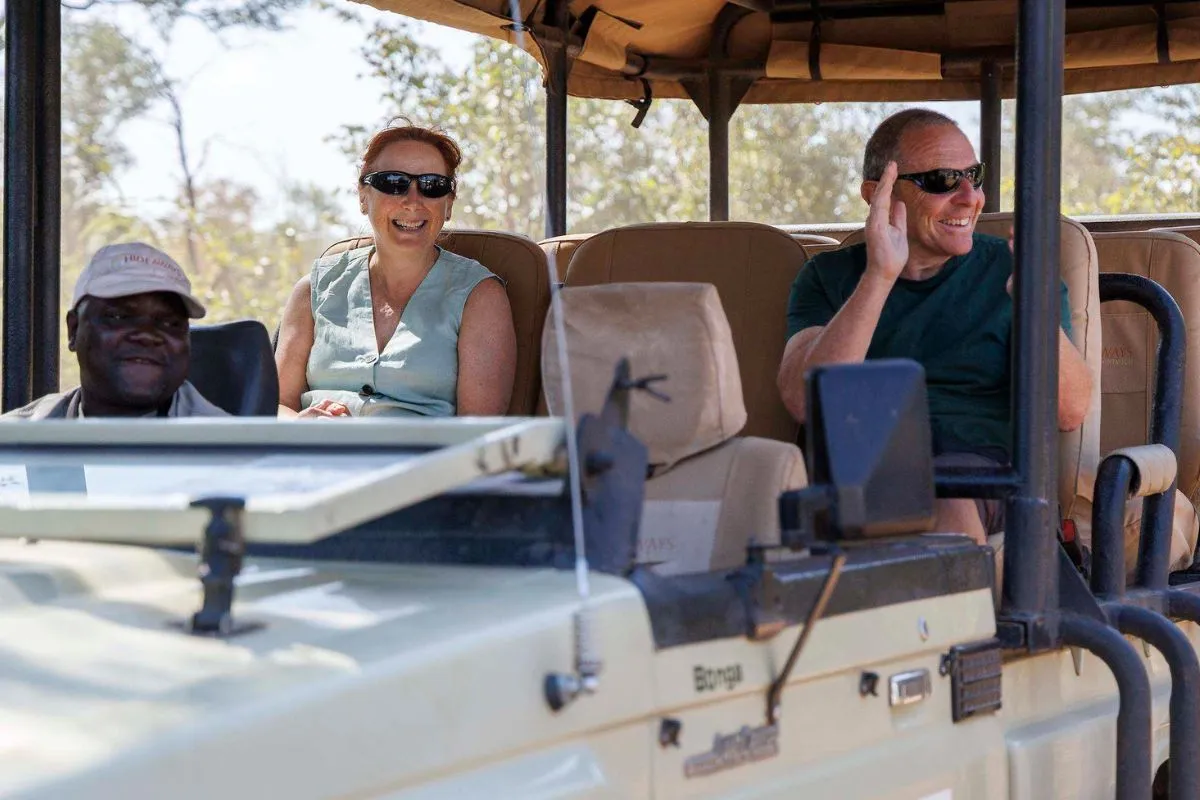
No algorithm can replicate the insight of someone who has spent decades exploring Zimbabwe’s wilderness. It can’t replace the expertise of a reservations consultant carefully matching a safari to a guest, or the stories shared by Zimbabwe’s professional guides who know every track, bird call and changing season.
Why Zimbabwe’s Best Years Are Still Ahead
Travel is changing.
People want quieter places, meaningful wildlife encounters, authentic cultural experiences, slower itineraries and journeys that leave a positive impact. For many destinations, those are ambitious goals for the future. For Zimbabwe, they have long been part of everyday life. Perhaps that’s why the country continues to receive international recognition. Not because it has changed to meet the future of travel. But because the future of travel has finally caught up with Zimbabwe.


